Description
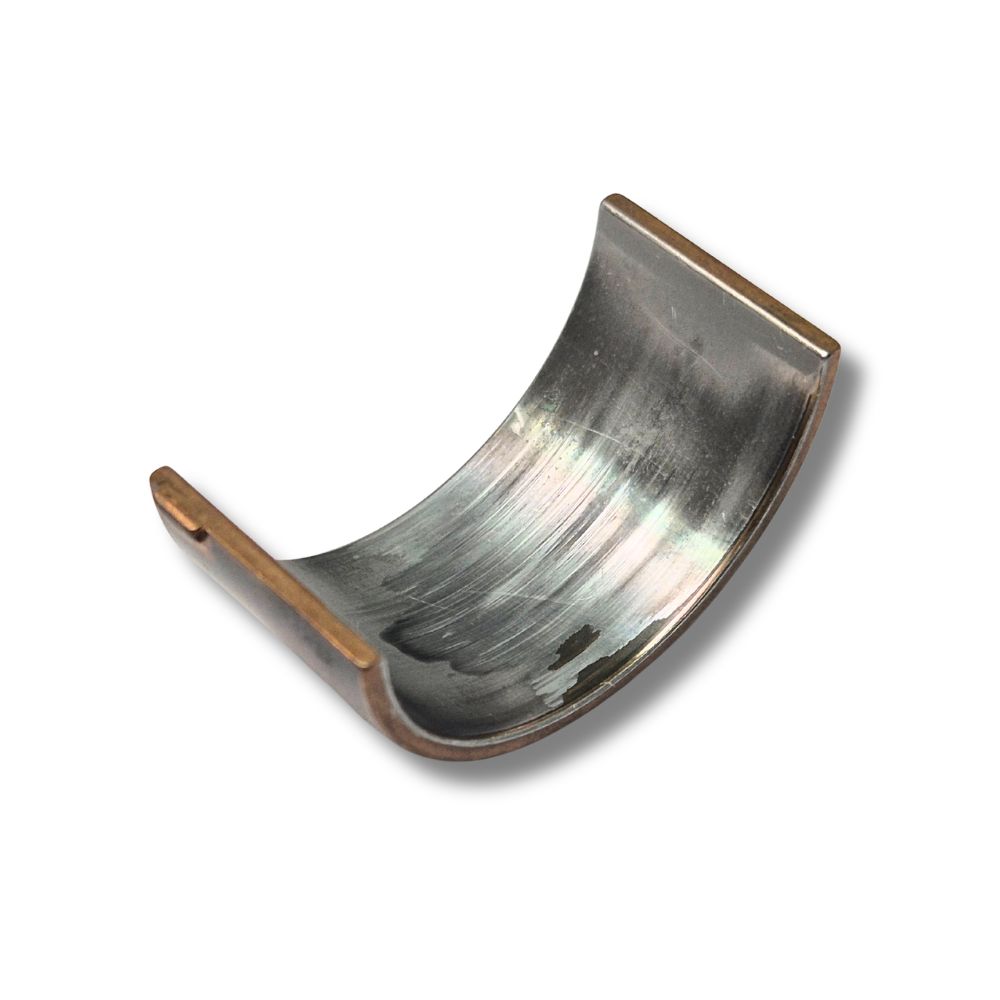
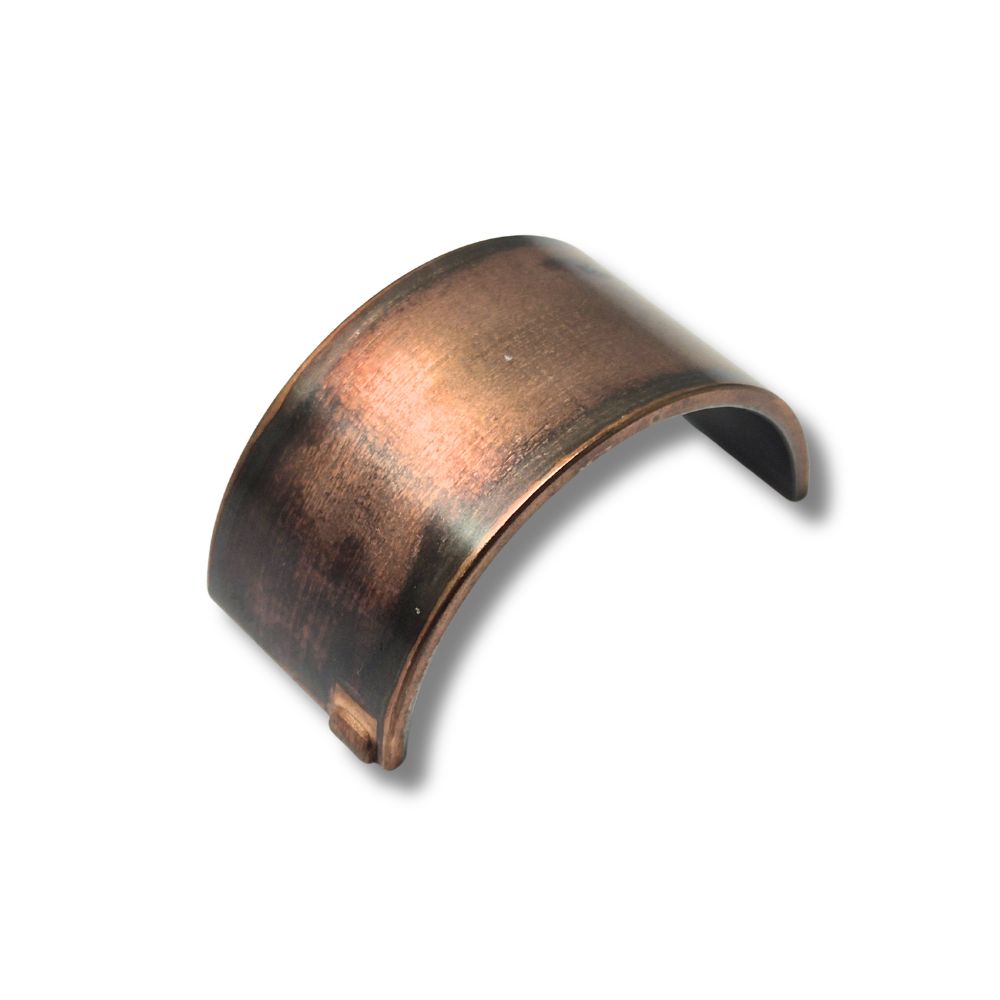
In stock now, a very limited number of actual race-used Cosworth Formula 1 rod bearing shells. Each bearing shell has a unique pattern of wear after being raced in the 2013 Formula 1 season in the Cosworth CA2010 engine.
Cosworth CA Engine
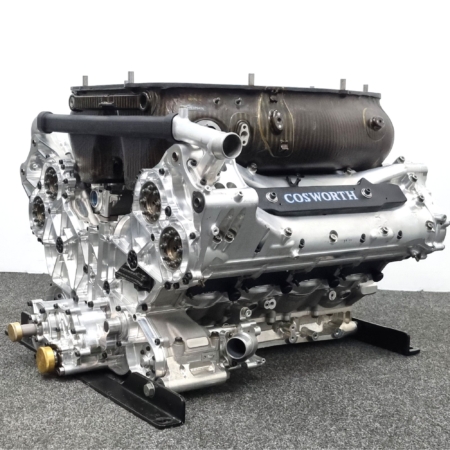
The final Formula 1 engine from Cosworth, codenamed the CA, took all of the knowledge gained from decades of competition in F1 and turned this know-how into probably one of the best Cosworth engines ever. The CA was introduced in 2006 with Williams, and saw Cosworth return to the production of V8 normally aspirated engines that began with the DFV back in 1967. Capable of 20,000 rpm, the CA became the new benchmark for F1 powerplants.
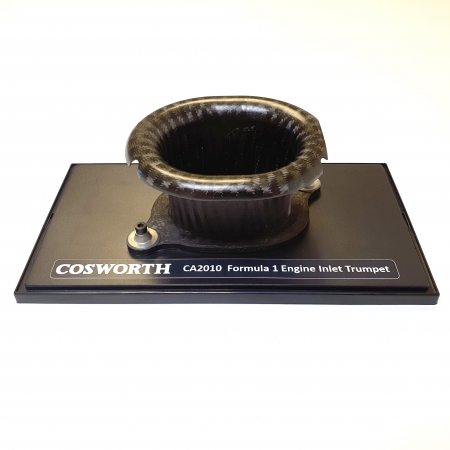
After a brief sabbatical, Cosworth returned to the grid in 2010 with an updated version of the CA. By now the rules had dropped the maximum speed to 18,000 rpm. Nevertheless, the CA2010 engine was still able to produce in excess of 775 bhp. Consequently, the CA2010 was the ideal choice for both Williams and for the three new teams in F1 (Virgin Racing, Lotus Racing and Hispania Racing).
The CA2010 engine was raced for four season, bowing out at the end of 2013 after powering the rebranded Marussia team.
You can watch a short video we put together of a Cosworth CA2010 engine being pushed through its paces on Cosworth’s transient dyno at speeds of up to 18,000 rpm – just click here.
Cosworth Formula 1 Rod Bearing Shell
Probably the most highly worn-out part in the engine was the rod bearing shell. These plain bearings, supported by just a very thin layer of oil, had to transfer the immense loads from the piston and connecting rod to the crankshaft.
The rod bearing shell on the CA2010 engine were the smallest that Cosworth every made, and are possibly the smallest in the history of Formula 1 (the current regulations specify a minimum bearing size that is far larger than these bearings). The crankpin journal diameter for the CA2010 engine was just 34 mm, and the housing diameter in the con rod just 38 mm. These are possibly the smallest Formula 1 rod bearing shells that you will ever see!
The bearing shell is manufactured from a bronze substrate that is coated with a proprietary coating for enhanced wear properties. Whilst we can’t reveal too many details of the exact material composition of this particular bearing shell, we did publish a blog post a while ago about race engine bearings that gives a more generic overview on the requirements of these types of materials.
Details:
- Outer diameter = 38 mm
- Inner diameter = 34 mm
- Width = 19.6 mm
- Weight = 16.5 g